Trading India and global markets together
Indian and global sessions overlap for part of the day and diverge for the rest. How to think about the clock, the currency your account is in, the links between gold, crude, USD-INR and Indian contracts, and keeping one view across all of it.
A trader in India who also trades gold, crude or a US stock is working across markets that are open at different times, priced in different currencies, and connected to each other in ways that are easy to feel and hard to pin down. The connections are the reason to trade across markets at all. They are also the reason a portfolio that looks diversified on paper can turn out to be one position in disguise. This post sets out the four things to keep straight: the clock, the currency, the correlations and the view.
The clock: where the sessions overlap
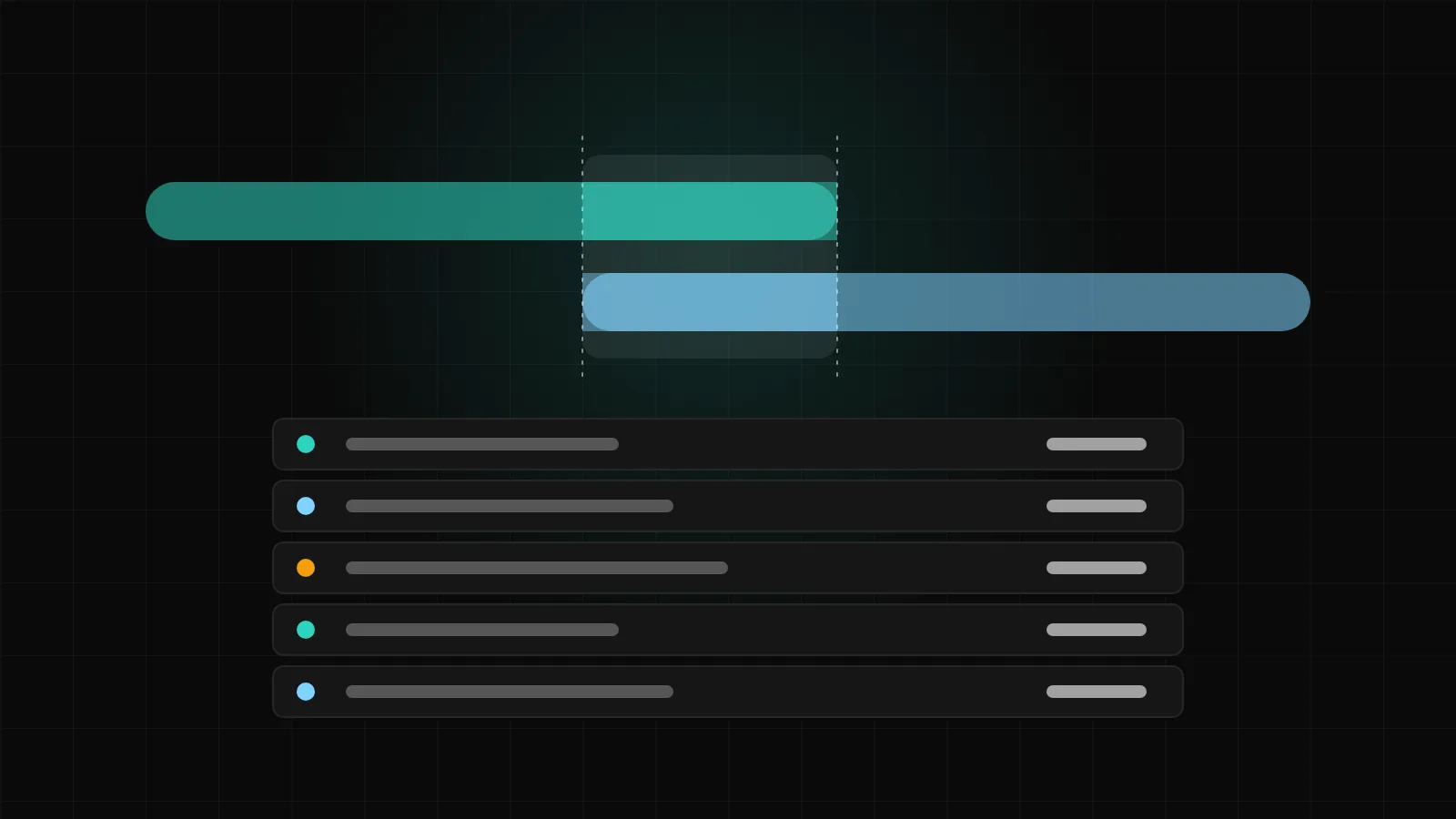
The Indian equity session runs from 09:15 to 15:30 IST. Currency derivatives run until 17:00 IST, and MCX commodities into the late evening. The global day, meanwhile, moves west: Asia first, then London from roughly early afternoon IST, then New York from the evening.
That gives three distinct periods for an Indian trader. In the morning, Indian equities are open and the major global markets are quiet or just waking; the moves in gold or crude that matter were made overnight and are already in the price. From early afternoon, London is active while NSE is still open, which is when the Indian close and the European open talk to each other. In the evening, NSE is shut, MCX is open, and the US session is the main driver of commodities and currencies.
The practical consequence is that "gold" is a different instrument at 10:00 IST and at 21:00 IST. A rule or a habit that works on MCX gold in the morning is trading an echo of the overnight session; the same rule in the evening is trading the live global market directly. Test and journal the two separately.
Overnight gaps are the other half of the clock. An Indian position held through the night is exposed to everything the global session does while NSE is closed, and a stop-loss does not help; it fills after the open at the new price. A global position, by contrast, can usually be managed through most of the 24-hour day, with its own gap at the weekend.
The currency: what your account is in versus what you trade
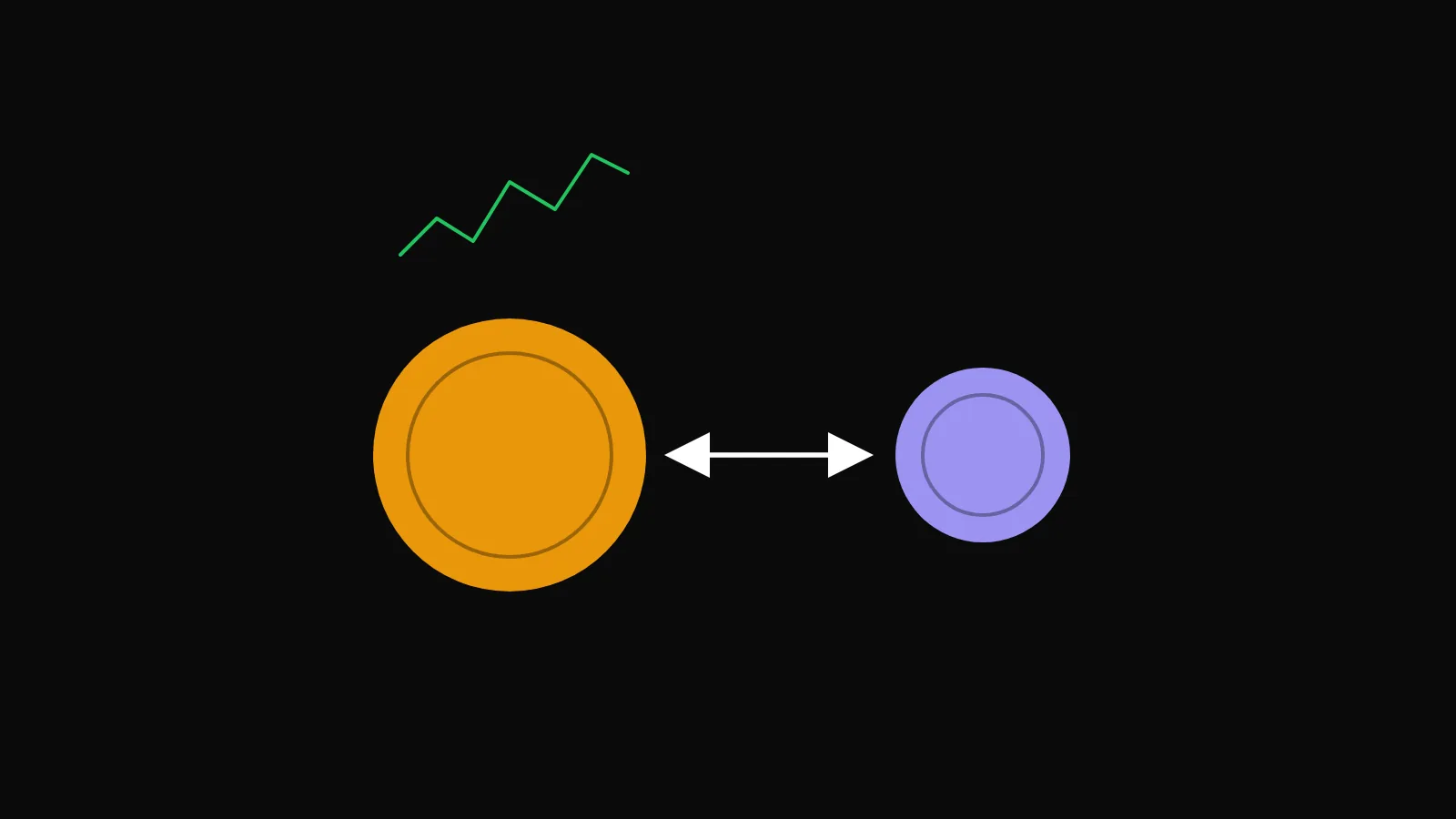
An Indian broker account is in rupees. An MT5 or global broker account is usually in US dollars, sometimes in cents of a dollar. The instruments on those accounts are priced in yet other units: spot gold in dollars per ounce, MCX gold in rupees per ten grams, a US index in dollars, USD-INR in rupees per dollar.
Three things follow. First, a profit or loss on a dollar account is a dollar amount, and its rupee value moves with USD-INR even when the position does not. Second, when you compare results across accounts, compare them in one currency, and say which. A journal that mixes rupee and dollar results without converting is not a record of anything. Third, moving money between the two is a transaction with its own rate, timing and rules; check the current rules with your broker and regulator before assuming anything about funding or withdrawals across jurisdictions.
The sizing question gets a currency twist too. Risk per trade on a dollar account should be set in dollars and risk on a rupee account in rupees; converting a single risk figure across both at a changing exchange rate is a small but constant source of drift.
Correlations: gold, crude, USD-INR and Indian contracts
MCX gold is, to a first approximation, spot gold in dollars multiplied by USD-INR, with import duties and local demand adjusting the margin. MCX crude follows the international benchmark in the same way. So an Indian trader long MCX gold is holding two exposures: the gold price and the rupee. When the rupee weakens, MCX gold rises even if dollar gold does nothing, and the reverse is also true.
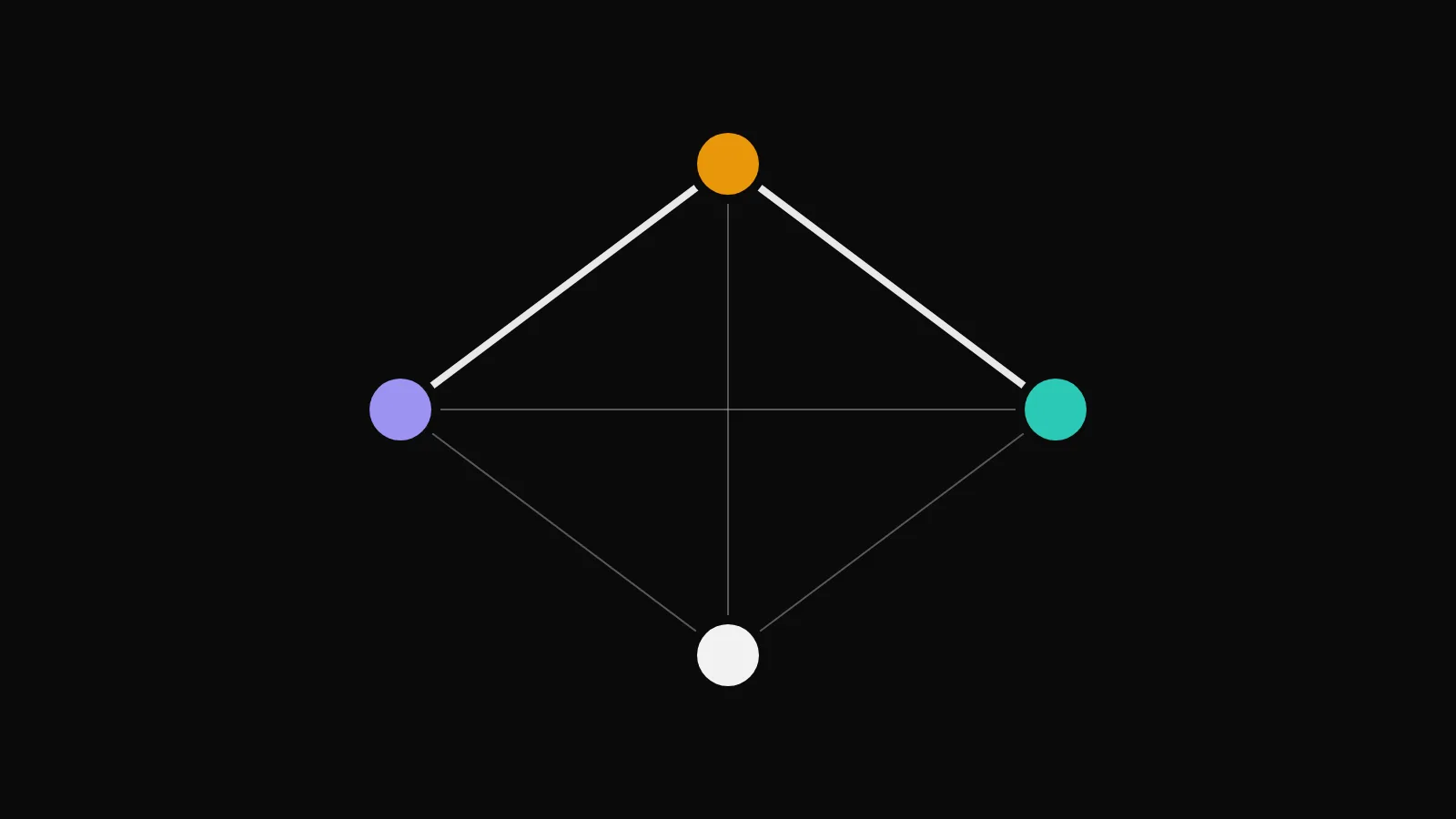
This matters when positions are combined. Long MCX gold plus long spot gold on an MT5 account is largely the same trade twice, with a rupee position on top. Long MCX crude plus a position in an Indian oil-related stock is two views on the same price. Long USD-INR plus long MCX gold are both, in part, short the rupee. None of these combinations is wrong, but each is a larger single bet than it looks, and the daily loss limit and the per-trade risk should be set for the combined exposure rather than for each position on its own.
Correlations also move. The link between gold and the rupee is structural; the link between a commodity and a particular equity is looser and can disappear for months. Treat any correlation you rely on as something to re-check rather than a fixed fact, and look at how positions behaved together on your worst days, which is where correlations tend to be at their strongest.
One view across markets
The common failure when trading across markets is fragmentation: one screen for Indian equities, another platform for MT5, a phone app for crypto, and a spreadsheet to add them up at the end of the week. Each is fine on its own; together they make the combined exposure invisible, which is exactly the thing that most needs watching.
A workable alternative has four parts. One watchlist, or a small set of them, that holds the instruments you actually care about side by side, regardless of market, so that MCX gold and spot gold are two rows apart rather than two applications apart. One place to see open positions across every account, so that the combined exposure is a glance rather than a calculation. One journal, with results convertible into a single currency. And one clock: a habit of knowing, at any hour, which of your markets is open, which is closed, and which contract is the live one.
How DalRoti helps
A DalRoti watchlist can hold any symbol from any market, so Indian cash, F&O, MCX, CDS, forex, metals, energy, US stocks and crypto sit in one list; closed markets show "Closed" with the last traded price, and global and crypto rows name their source. Typing "gold" or "crude" into search lists the front-month MCX contract first with the global spot price right after it, and the app's Compare tool overlays any symbol on the chart.
Live NSE, BSE and MCX prices come through your own connected Indian broker; MT5 accounts and global brokers connect alongside them, and the Positions pane shows open positions across every account with an account filter. The Journal can switch between INR and USD and filter by asset class, and the Portfolio page shows each account's balance and floating result in one place. In the strategy builder, entry windows can be set in exchange time, with session presets for Asia, London and New York in UTC, so the clock becomes part of the rule rather than a thing to remember.
Trading involves a high risk of loss. DalRoti is a software tool and does not guarantee any profit. Decide your own risk and position size.
AI Generated