Algorithmic trading explained for discretionary traders
What a trading rule really is, what automation takes off your plate, what it leaves with you, and why discretionary experience is the raw material for a good system rather than something you give up.
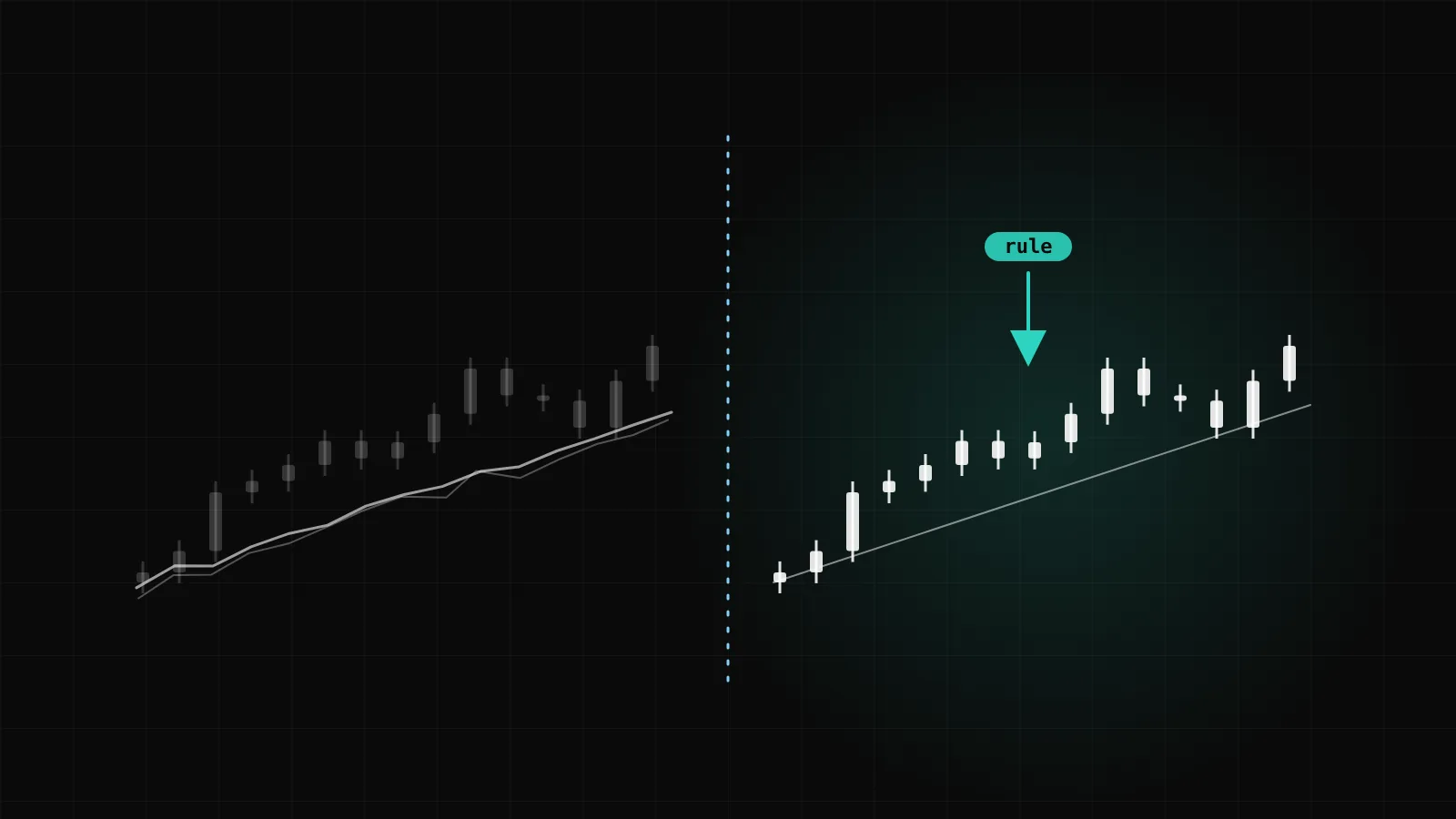
If you have traded by hand for a while, you already have rules. You may not have written them down, and you may break them on a bad afternoon, but they exist: you buy pullbacks in a trend, you avoid the first ten minutes after the open, you cut a loser when it closes beyond a level. Algorithmic trading is the discipline of writing those rules precisely enough that a machine can follow them, and then letting it.
This post explains what that means in practice, what automation takes off your plate, what it leaves firmly with you, and why discretionary experience is not wasted when you automate. It is written for someone who has traded a chart by hand and is curious, or sceptical, about the next step.
What a rule actually is
A rule, in the algorithmic sense, is a statement that can be evaluated as true or false at a given moment using only data that exists at that moment. "Buy when the trend is strong" is not a rule, because "strong" has no definition. "Buy when the 9-period EMA closes above the 21-period EMA on the 15-minute chart" is a rule, because every term in it is measurable and the answer is the same whoever asks.
A complete trading rule has four parts.
Signal: the condition that says a trade may be opened. An indicator crossing, a close beyond the previous candle's high, a price reaching a level.
Filter: when the signal is allowed to act. A time window, a direction (long only, short only, both), a maximum number of entries per day, a minimum gap between trades.
Exit: how the trade ends. A stop-loss, a target, a trailing stop, a time of day, or the opposite signal.
Size: how much to trade, expressed as a fixed quantity or as a function of the risk you accept.
A useful exercise is to take your last ten trades and try to express the reason for each one in that form. Most discretionary traders find that two or three of the ten cannot be written down at all. Those were trades taken on feel. That is not a criticism; it tells you which part of your trading is a candidate for automation and which part is not.
What automation does
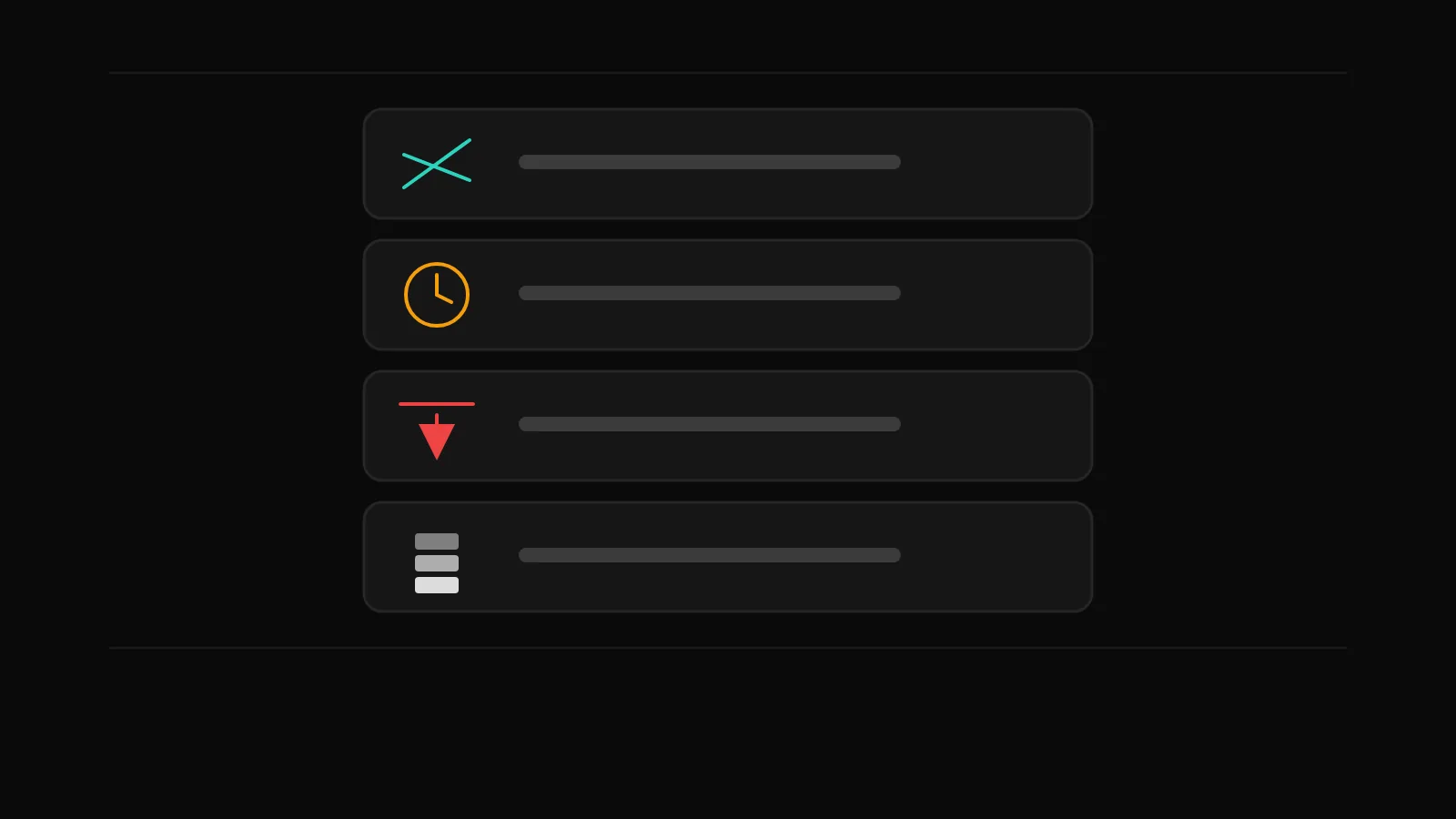
Once a rule is written, a machine can do four things with it that a person struggles to do for long.
Consistency. The rule is applied the same way on the first trade of the day and the thirtieth, on a Monday and on a Friday afternoon, after a win and after a loss. A human reading the same chart drifts: the entry gets earlier when confident and later when bruised.
Speed. When a 15-minute candle closes and the condition is true, the order goes out at once. There is no moment of hesitation, no second look at a different timeframe, no checking of the news.
Attention. A machine watches a symbol every minute of the session without fatigue. It can watch several symbols at the same time, each against its own rule, without the quality of attention dropping.
Record. Every decision has a reason that can be logged. When a trade happens, the question "why did I take that?" has a precise answer, which makes review possible in a way that a memory of a busy afternoon never will.
What automation does not do
It does not decide whether a rule is any good. A machine executes a poor rule as faithfully as a sound one, and faster. Writing a rule down makes it testable; it does not make it right.
It does not adapt. If the market changes character, the rule keeps running until you change it. Anything you want it to do differently in a quiet market, around a news release or on expiry day has to be written into the filter. If you did not write it, it will not happen.
It does not know about the world outside the data it is given. A scheduled announcement, a broker holiday, a margin change at your broker, a session that expired overnight: none of these are visible to a rule unless something tells it.
And it does not remove risk. A rule that opens positions can open losing positions. Position size, stop-loss and the decision to stop for the day are still yours to set, and an automated system that lacks them is more dangerous than a discretionary trader without them, because it will not get tired and stop.
Where judgement still sits
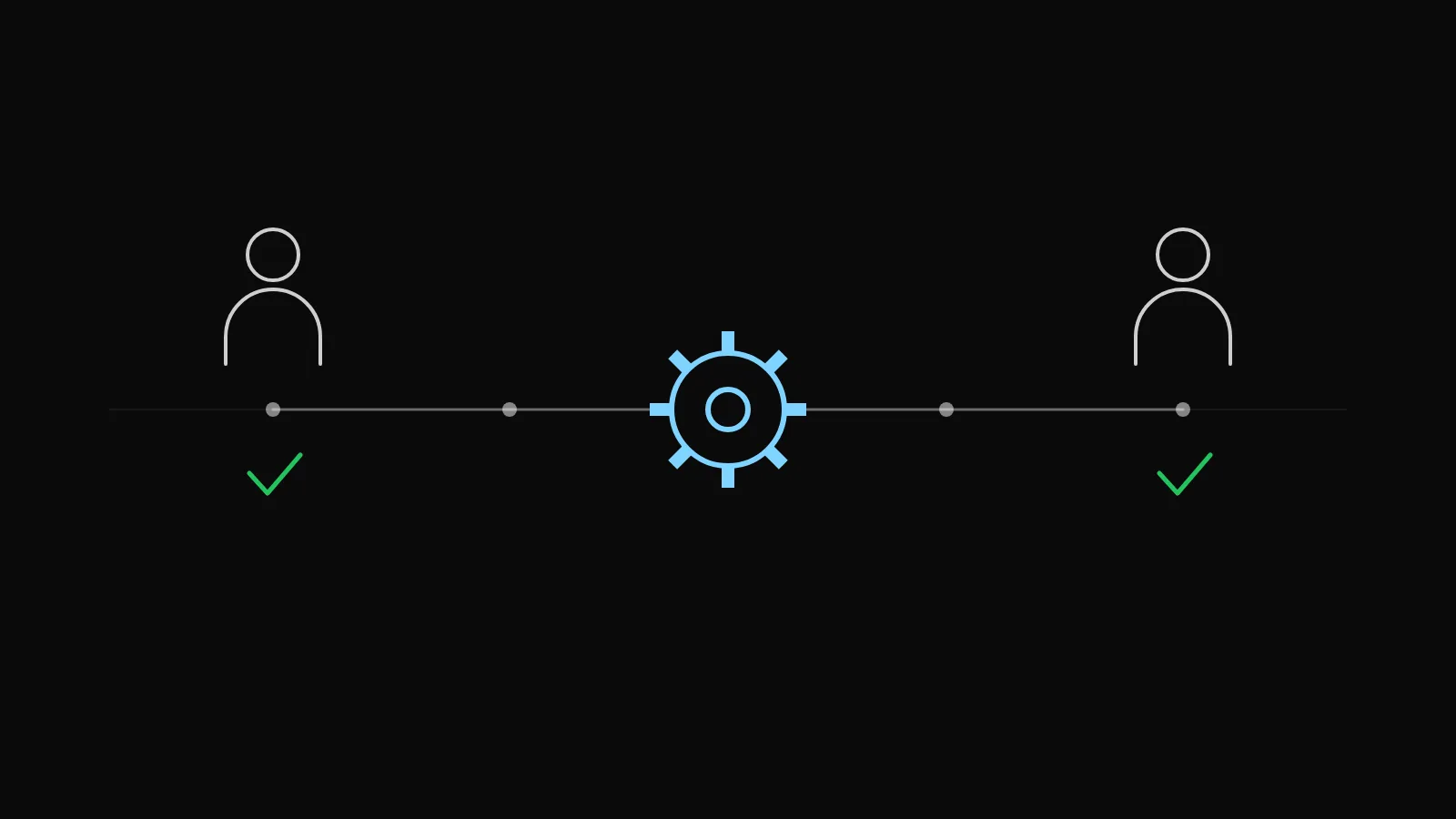
Judgement does not disappear when you automate. It moves from the moment of the trade to the moments around it.
Before. You choose the idea, the market, the timeframe, the parameters and the sizing. You decide how much of your capital one rule may risk and how many rules may run at once. These are the decisions that determine most of what happens afterwards, and no amount of automation makes them for you.
During. You decide whether to pause: ahead of a known event, when a broker connection looks unwell, when something in the day does not match what you tested. You also decide, and this is harder, not to override the rule on a whim. A system that is overridden every time it feels wrong is a discretionary system with extra steps.
After. You review. Which trades matched the rule, which did not, whether the live results resemble what the tests suggested, and whether the rule still deserves to run. Retiring a rule is a judgement call too.
A short worked example
Suppose your discretionary habit is to buy gold when it starts trending on the 15-minute chart during the London session, and to get out when the move stalls. Written as a rule it might become:
Signal: EMA(9) closes above EMA(21) on the 15-minute chart.
Filter: long only; entries allowed between 07:00 and 14:00 UTC; at most two entries a day; one trade per cross.
Exit: a trailing stop of a fixed percentage, or the opposite cross, whichever comes first.
Size: a quantity worked out from the stop distance so that each trade risks the same fixed amount.
Notice what you gave up and what you kept. You gave up the moment-to-moment reading of "is this move real?", replaced by the cross. You kept everything else: the choice of gold, of the session, of the risk per trade, and the authority to switch the rule off.
How DalRoti helps
The strategy builder in DalRoti is a no-code version of the four parts above. You set conditions on indicators such as EMA, SMA, RSI, Supertrend and VWAP, across timeframes; entry time windows and session presets; a maximum number of entries per day; a stop-loss and target; and position sizing as fixed lots or as a risk percentage. Conditions are checked on candle close. A plain-words summary on the right describes what the strategy will do as you build it, which is a good check that the rule you wrote is the rule you meant.
Templates such as "EMA 9/21 cross on XAUUSD 15M" and "Supertrend(10,3) on 1H" give you a starting form to change. Every strategy can run first on the DalRoti Paper account with simulated fills at live prices, and only on paid plans against a connected broker. Kill switches per account and per strategy, and a daily loss limit that stops a strategy, cover the "during" part of judgement, so that pausing is one action rather than a scramble.
Trading involves a high risk of loss. DalRoti is a software tool and does not guarantee any profit. Decide your own risk and position size.
AI Generated